
Heat Pumps 101: A Quick Primer
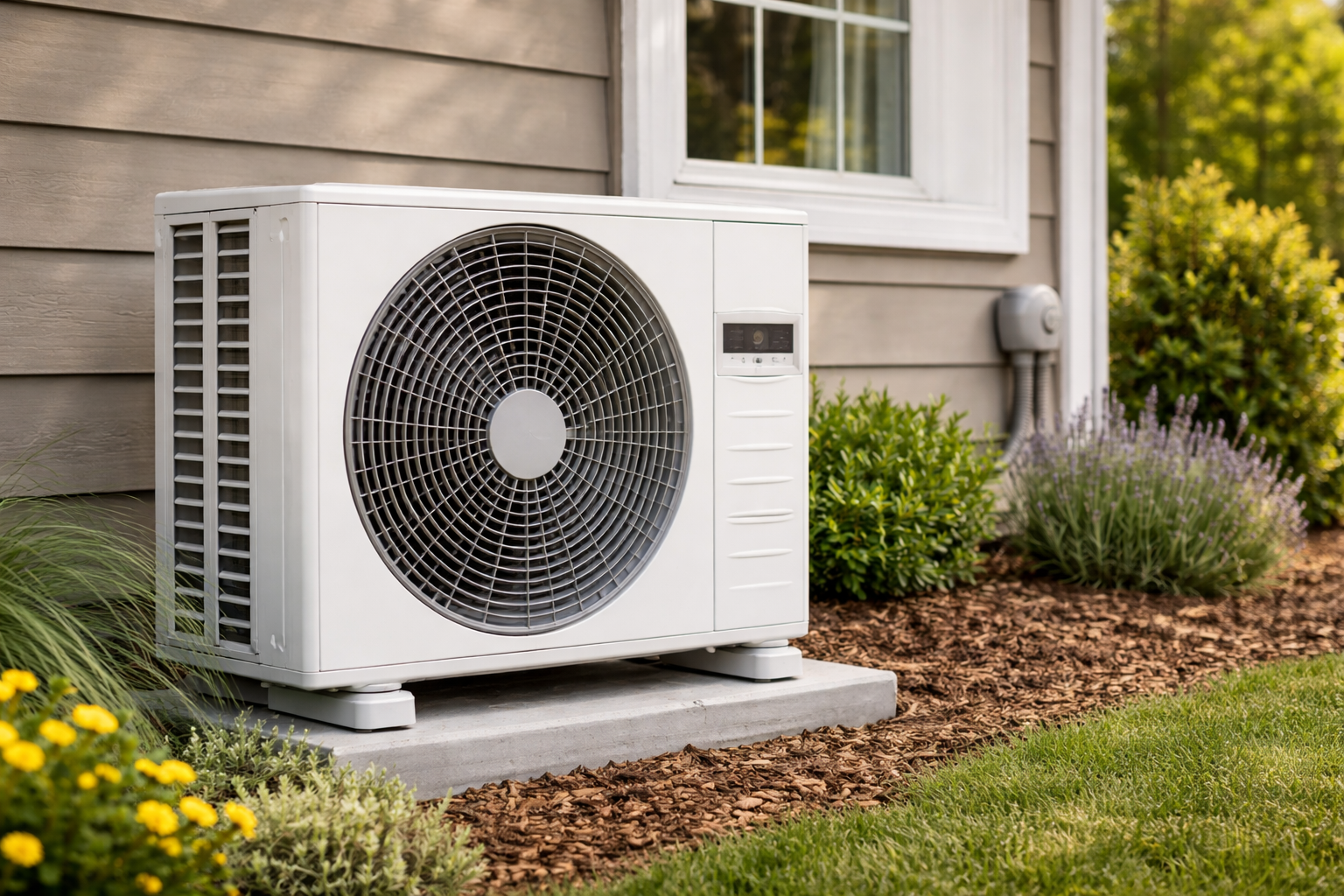
If you've been hearing more about heat pumps lately, here's a super quick reference guide for you:
What it is. A heat pump doesn't burn fuel to make heat, instead it moves heat. In winter, it pulls heat from the outside air (yes, even cold air has heat in it) and moves it inside. In summer, it runs the process in reverse, working like an air conditioner. One system does both jobs.
Why that matters in Denver. Heat pump efficiency has improved a lot over the last decade, including in cold climates. Modern cold-climate models are rated to keep producing meaningful heat well below freezing, which covers the majority of a typical Front Range winter.
The cold-snap question. On our coldest nights, a heat pump's output can drop to the point where a backup heat source — often a small electric furnace built into the system — kicks in to cover the gap. This is normal, expected, and already accounted for when a system is sized correctly for our climate.
Why people switch. Lower operating costs compared to electric resistance heat, one system instead of two, and it's the same technology used in efficient central AC — so summer performance isn't a trade-off.
The catch. Upfront cost is higher than a standard furnace, and correct sizing for our elevation and winter lows matters more here than in milder climates. This isn't a project to size off a rule of thumb.